Summary
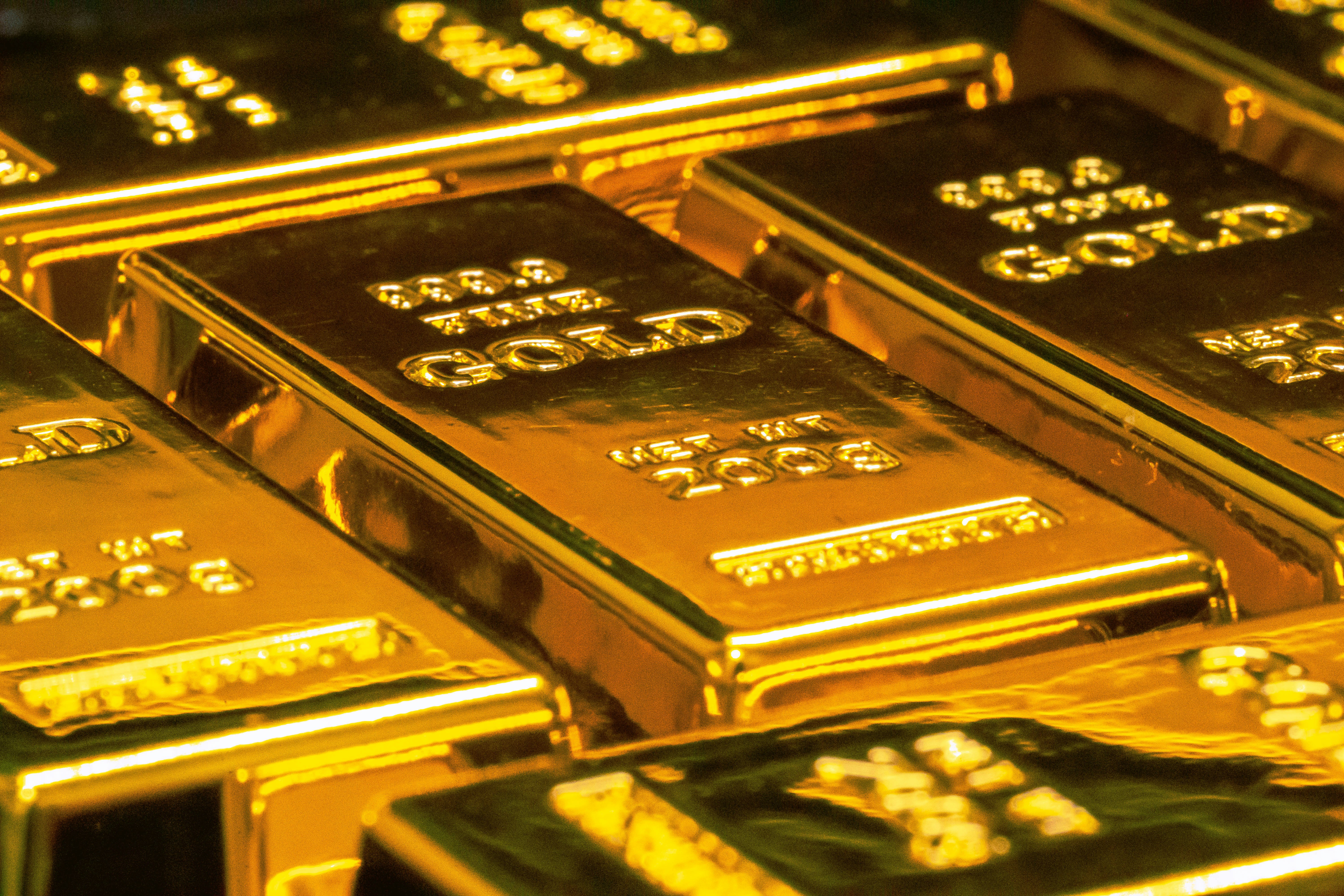
Gold prices have climbed in recent weeks as investors react to geopolitical tensions, inflation risks, and uncertainty in global financial markets. Traditionally viewed as a safe-haven asset, gold tends to attract investors when markets become unstable, and 2026 is proving no different.
Recent market movements show that investors are shifting funds away from riskier assets such as growth stocks and cryptocurrencies and moving toward more stable investments like gold, government bonds, and defensive equities. This shift is largely driven by rising oil prices, ongoing geopolitical tensions, and concerns about inflation remaining higher than expected.
When inflation rises, currencies lose purchasing power. Gold, however, historically maintains value, which is why investors often buy gold during uncertain economic periods. Central banks themselves have increased gold purchases over the past year, further pushing demand upward.
Financial analysts note that gold also benefits from expectations about interest rate changes. If central banks begin lowering interest rates later in 2026, gold becomes even more attractive because lower interest rates reduce the opportunity cost of holding non-yielding assets like gold.
The current global situation is creating multiple drivers for gold demand:
Geopolitical conflicts increasing market uncertainty
Rising oil prices pushing inflation higher
Central banks considering interest rate changes
Currency volatility affecting global markets
These factors combined are encouraging investors to diversify portfolios. Many financial advisors recommend allocating a portion of investments to gold or other safe-haven assets during uncertain economic periods.
The rise in gold prices is also influencing other sectors. Mining companies, commodity funds, and precious metals ETFs are seeing increased investor interest. Meanwhile, financial institutions are adjusting forecasts as demand grows.
For individuals, rising gold prices can signal broader economic shifts. When investors move toward safe-haven assets, it often reflects caution about the future economy. This may influence personal financial decisions, such as delaying large purchases, refinancing loans, or diversifying investments.
While gold remains volatile in the short term, analysts expect continued interest if global uncertainty persists. Investors are therefore monitoring geopolitical developments, inflation data, and central bank announcements closely.
Gold's role as a financial safety net continues to be relevant in 2026, particularly as economic uncertainty increases.
#Gold #Investing #Finance #Inflation #Markets #SafeHaven #Economy #InterestRates #FinancialPlanning #Money