Summary
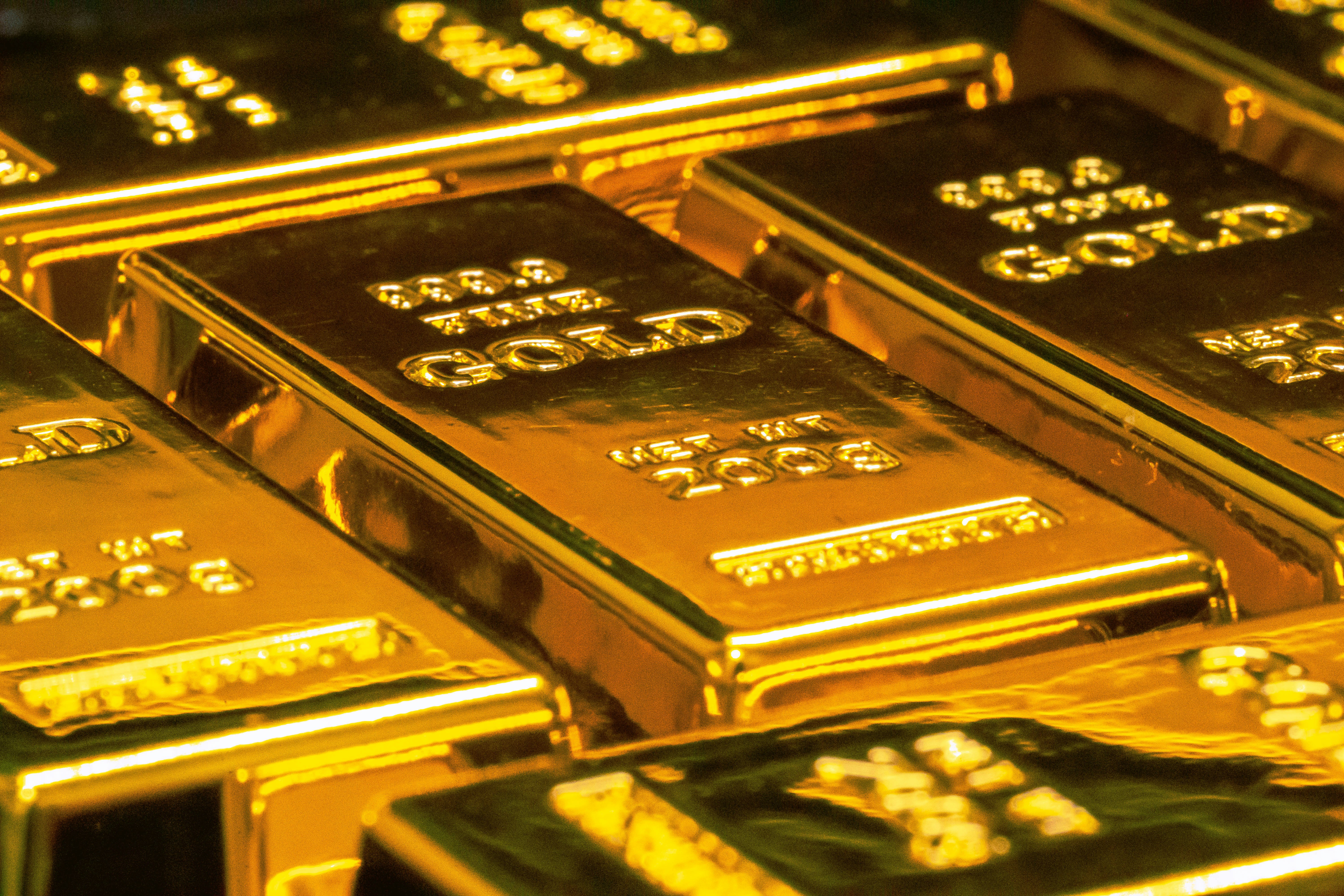
Gold prices have surged to record highs above $5,100 per ounce as investors flock to the precious metal amid geopolitical tension and economic uncertainty. On Jan. 26, spot gold rose 2% to $5,077.22 an ounce after touching a record $5,110.50, while U.S. gold futures settled 2.1% higher at $5,082.50. Analysts attribute the rally to safe-haven demand, noting that silver and platinum also reached all-time highs. Gold prices remain supported by persistent geopolitical and economic concerns, with central banks buying bullion to diversify foreign exchange reserves and reduce reliance on the U.S. dollar. Investor inflows into physically backed exchange-traded funds have resumed, with holdings up about 20% year-over-year.
For investors, gold’s record-breaking run highlights the value of diversification during periods of volatility. Precious metals such as gold and silver tend to retain value when stocks and currencies fall, but they can be volatile and do not produce income. Financial advisers suggest allocating a portion of a portfolio to gold as a hedge against inflation and currency risk, while balancing with other assets to manage risk. Prospects for further price gains remain, with some analysts predicting gold could reach $6,000 per ounce by year-end. However, high prices may reduce industrial demand for silver and other metals. As geopolitical risks persist, investors should stay informed and focus on long-term goals rather than short-term price swings.