Summary
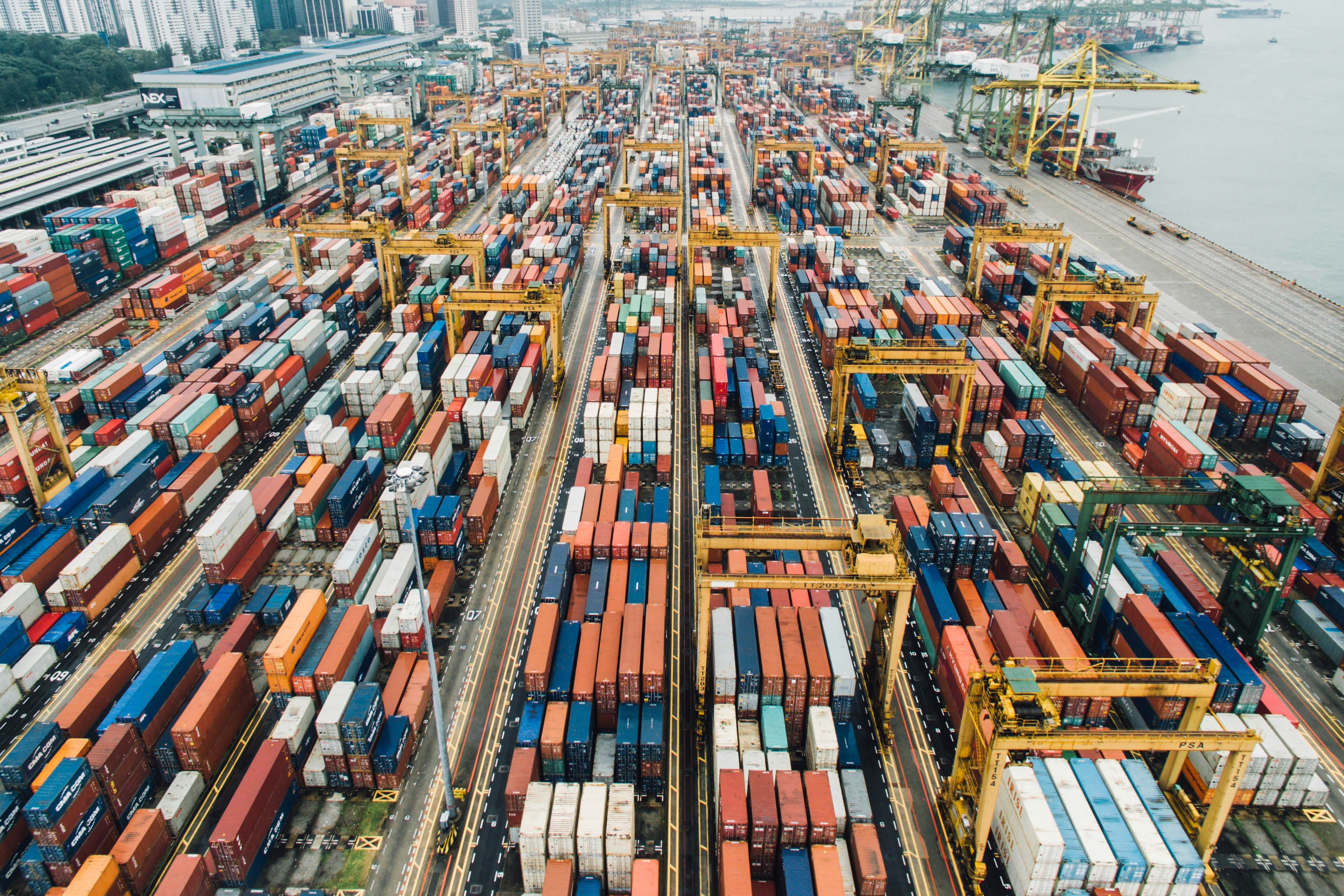
Global supply chains are entering a new phase of disruption as rising energy costs continue to reshape trade economics. Shipping companies, manufacturers and retailers are all adjusting to higher transportation expenses driven by elevated fuel prices and rerouted logistics networks.
Over the past months, energy-driven cost increases have forced shipping firms to revise pricing models. Longer routes, increased insurance premiums and congestion at alternative ports are adding layers of complexity to global logistics. As a result, the cost of moving goods has increased significantly, affecting industries ranging from electronics to food distribution.
Manufacturers are responding by reconsidering production strategies. Some are shifting operations closer to end markets in an effort to reduce dependence on long-distance shipping. Others are renegotiating supplier contracts or diversifying sourcing regions to reduce risk exposure.
For consumers, these changes are translating into higher prices across a wide range of goods. Inflationary pressure linked to logistics costs is becoming more persistent, making it harder for central banks to ease monetary policy.
Investors are closely monitoring companies with strong supply chain resilience, as these firms are better positioned to navigate volatility. Businesses that can adapt quickly may gain a competitive advantage in an increasingly uncertain environment.
As global trade continues to adjust, supply chain flexibility and cost efficiency will remain critical factors shaping financial outcomes in 2026.